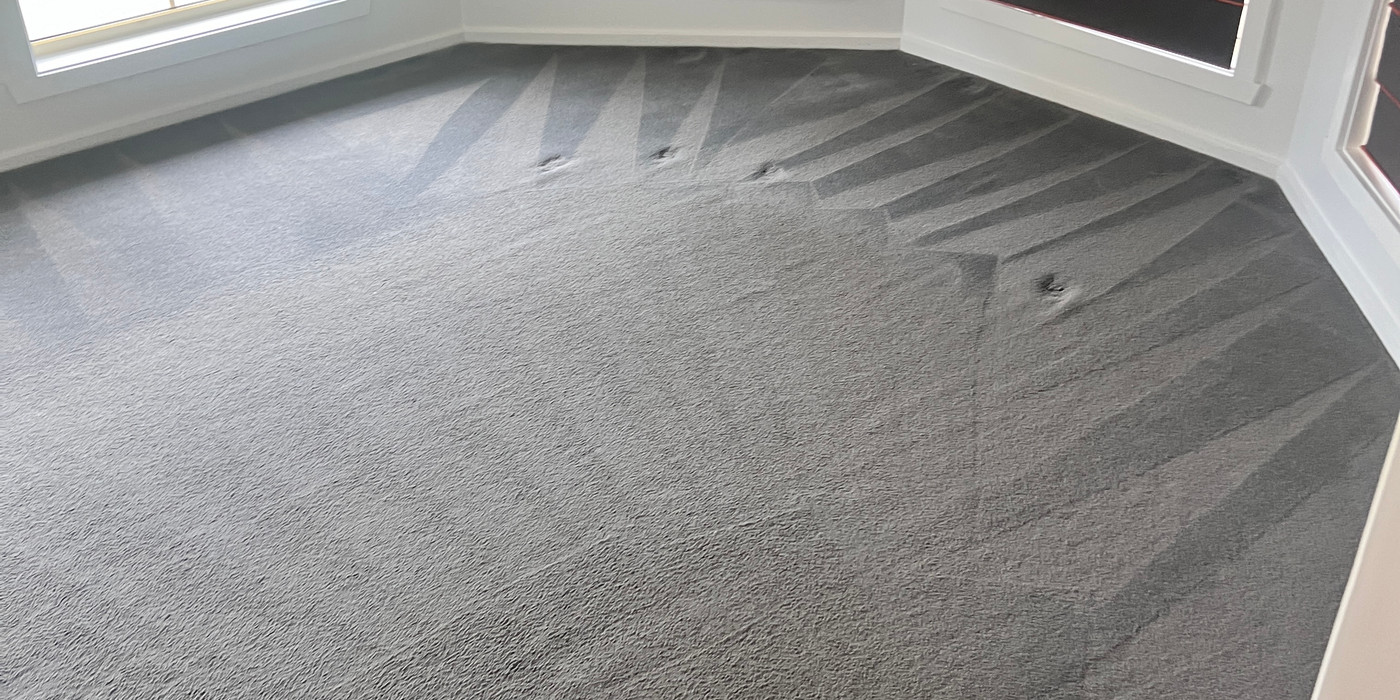
I get called into a lot of properties on the last week of a lease, and the conversation is nearly always the same: “they reckon the carpet’s damaged, but it was already like that.” Sometimes that’s true. It almost never matters, because the thing that would have proved it was a form somebody signed without reading on the day they moved in.
The condition report is the only document in a tenancy that describes the property before you touched it. Everything at the other end — what gets deducted, what gets argued about, what a tribunal member believes — runs back to it.
What it actually is, and who writes it
In Victoria the rental provider or their agent prepares the condition report and signs it before you move in. It’s not optional paperwork the agent does as a courtesy — where a bond is held, it’s part of the process, and Consumer Affairs Victoria is explicit about the handover:
“The rental provider is responsible for providing 2 copies of the signed condition report (or 1 electronic copy) to the renter before they move in.”
The report covers the property, room or caravan, the fittings and fixtures, and everything inside and outside. That last word does more work than people expect — the state of the garden, the garage floor, the outdoor blinds and the bin area are all fair game at the end of a lease if nobody recorded them at the start.
Your five business days
Here’s the part that gets skipped. Once you move in, you have 5 business days from the move-in date in your rental agreement to complete the report from your point of view, sign it, and give a copy back.
Business days exclude weekends and public holidays, so a Friday handover gives you roughly a week of real time. That’s the whole window in which your version of events gets written down.
What to do with it:
- Disagree in writing. If the agent ticked “Clean — Yes” for a room that isn’t, cross it out and write what you see. The form is a starting draft, not a verdict.
- Be specific, not polite. “Marks on wall” is weak. “Three scuffs approx. 10cm, east wall behind door, bedroom 2” is evidence.
- Never write “good” or “fine.” Those words help the other side later. Describe, don’t grade.
- Photograph everything, then attach it. CAV’s guidance is to “date and label photos and attach them to the condition report,” and says they can be hard copies or digital.
- Keep the proof of return. Email is ideal — it timestamps itself. If you hand it over in person, photograph the signed copy first.
Tenants Victoria puts the reason plainly: your own comments in the report can help you if the rental provider later makes a bond or compensation claim against you.
Photograph the things that get argued about
After enough end-of-lease jobs you learn which items generate the disputes. If I were moving in tomorrow, these are the shots I’d take before I unpacked a single box:
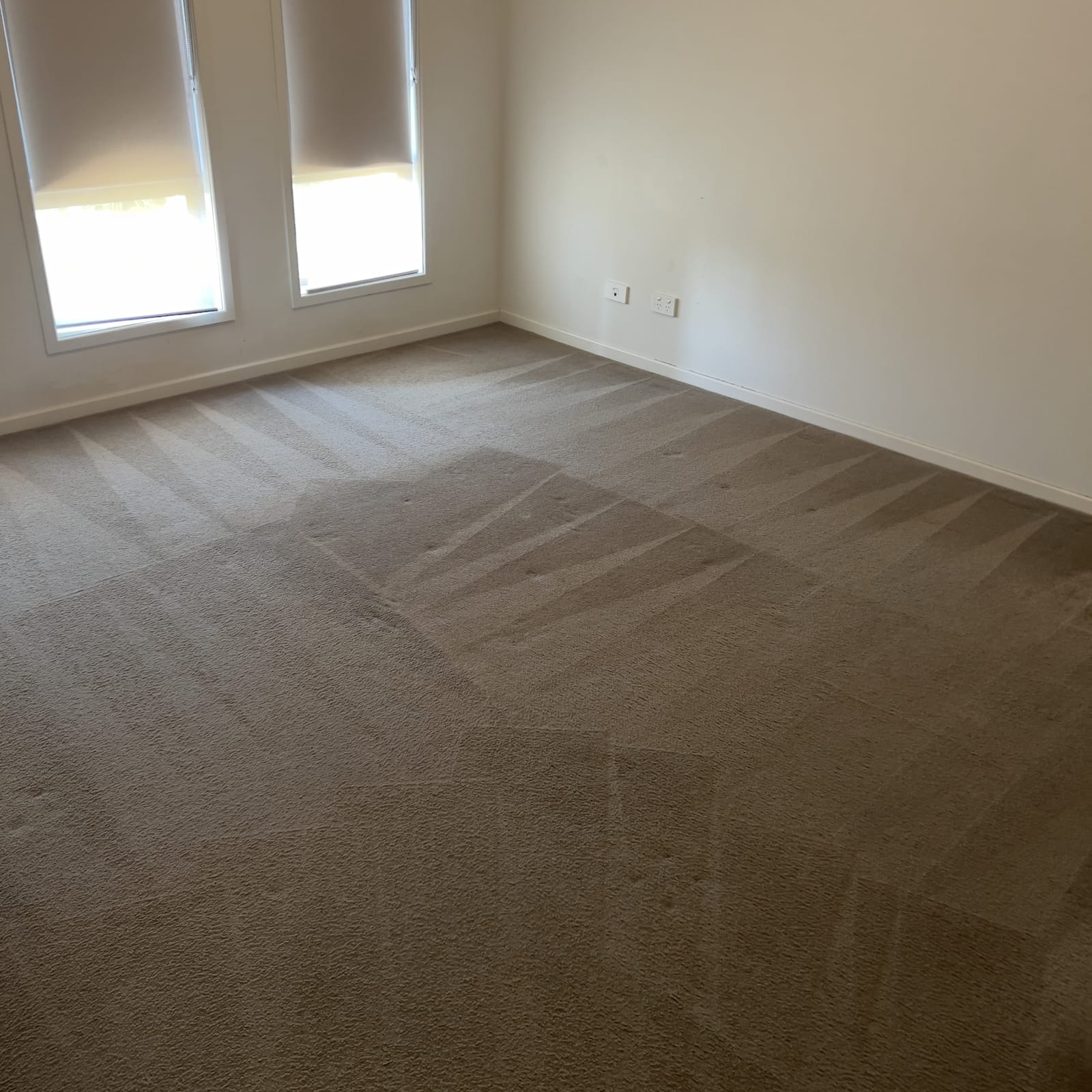
- Carpet, at floor level, in daylight — every room, plus close-ups of any existing stain, dent, or worn traffic lane. Wide shots flatten everything; a low angle shows the truth.
- Grout lines and shower silicone — discolouration here is slow and old, and it gets blamed on the last person in the house.
- Oven interior, racks and door glass — one of the most common deduction lines there is.
- Walls at eye height near light switches, door handles and bed heads.
- Window tracks, flyscreens and blind cords.
- Skirting boards and the tops of door frames — dust here is the classic “not cleaned to standard” note.
- Anything already broken. A cracked tile you didn’t photograph is a cracked tile you paid for.
Also record the safety items, because the report has room for them: smoke alarm test, electrical and gas safety check dates, and pool barrier compliance where it applies.
If they never gave you one
It happens. If you weren’t given a condition report before you moved in, you can complete your own — Consumer Affairs Victoria publishes the standard template as a downloadable form and both CAV and Tenants Victoria confirm a renter can fill it out themselves.
Do it in the first week, attach your photos, and email it to the agent with a short line saying you weren’t provided one so you’ve completed the standard form. You’ve now created a dated record that exists outside your own phone. That’s the whole point.
The 30-day window nobody mentions
If either side thinks the report is wrong or incomplete, they can apply to VCAT for a decision — within 30 days of the start of the rental agreement.
Thirty days. Not thirty days from when you notice, at the end of a two-year lease. From the start. Which is another way of saying that the condition report hardens into the agreed version of reality about a month after you move in, and after that you’re arguing against it rather than about it.
The exit report — and your right to be there
When the rental agreement ends, the rental provider or agent must complete the “Exit condition report” section of the original report within 10 days. Note the original — it’s not a fresh document, it’s the same form with a second column, which is exactly why the start-of-tenancy column matters.
And this line is worth memorising:
“The renter must be present when this happens, or have been given a reasonable opportunity to be there.”
So being at the final inspection isn’t a favour they do you. If a final inspection is booked without notice to you, or you’re told you can’t attend, put your objection in writing on the day. Walking through the property beside the person filling in the form is the single cheapest thing you can do for your bond — you get to answer “that was there when I moved in” while they’re standing in front of it, instead of six weeks later in a dispute.
If you want to know what they’ll be looking at while you’re standing there, the rental inspection checklist covers it room by room, and the Victorian end of lease cleaning checklist covers what actually has to be done before that day.
How it all lines up
| Stage | Who does it | Deadline |
|---|---|---|
| Report prepared and signed, copies given to renter | Rental provider / agent | Before move-in |
| Renter adds comments, signs, returns a copy | You | 5 business days from move-in |
| Apply to VCAT if the report is wrong or incomplete | Either party | 30 days from start of agreement |
| Exit condition report section completed | Rental provider / agent | 10 days from end of agreement |
| Renter present, or given reasonable opportunity | You | At the exit inspection |
| Bond claim lodged with the RTBA | Either party | After handover |
That last row is where the report finally cashes out. A bond only gets paid on an agreed claim or an order after a dispute, and in a dispute the condition report is the document both sides point at — which is covered in more detail in how to get your bond back in Victoria.
The short version The rental provider writes the condition report and must give you copies before you move in — but you get 5 business days to add your own comments, and that’s the only chance you have to put your version on the record. Photograph carpet, grout, oven, walls and anything already damaged, then date, label and attach those photos to the report. At the other end they must complete the exit report within 10 days and you must be present or given a reasonable opportunity to be there — turn up, and bring the original report with you.
Frequently asked questions
Who fills in the condition report in Victoria?
The rental provider or their agent prepares it and signs it before you move in. Consumer Affairs Victoria says they are responsible for giving you two copies of the signed report, or one electronic copy, before you move in. You then add your own comments and return it.
How long do I have to return my condition report?
Five business days from the move-in date in your rental agreement. Business days exclude weekends and public holidays, so a Friday handover realistically gives you until the following Friday. Complete it, sign it, and give a copy back to the rental provider or agent inside that window.
What if I was never given a condition report?
You can complete one yourself. Consumer Affairs Victoria publishes the standard condition report template as a downloadable form, and both CAV and Tenants Victoria say a renter who wasn't given a report before moving in can fill out their own. Do it in your first week and email a copy to the agent so there's a dated record.
Do I have to be there for the exit inspection?
The rental provider or agent must complete the exit condition report section within 10 days of the end of the rental agreement, and Consumer Affairs Victoria says the renter must be present when this happens or have been given a reasonable opportunity to be there. If they schedule it without telling you, say so in writing straight away.
Can I dispute a condition report I think is wrong?
Yes. If either the renter or the rental provider thinks the report is wrong or incomplete, they can apply to VCAT for a decision — but it has to be within 30 days of the start of the rental agreement. That's a short window, which is exactly why the five-day comment period matters so much.
This guide is general information based on official sources current at the date shown above. Tenancy law differs by state and by agreement. For decisions about your own bond, check the official body linked above or get advice for your situation.
Keep reading
In Victoria a rental provider or agent can only list you on a tenant database after the lease has ended, and only if a breach left you owing more than the bond or led to a VCAT possession order. They have to warn you in writing and give you 14 days to object first. A listing is gone after three years at most, and sooner if you pay what you owe within three months.
In Victoria your bond has to sit with the RTBA, not in your landlord's account. If you paid the agent, they must lodge it within 14 days, the RTBA sends every renter a receipt with a bond number, and you can look the bond up online. Check it before you move out, because you need that bond number to claim it back.
A rental provider in Victoria can only end your tenancy for a reason on Consumer Affairs Victoria's list, and most of the end-of-lease reasons need 90 days' notice and paperwork attached. If the evidence is missing the notice is invalid, you have 30 days to challenge it at VCAT, and you can leave sooner on 14 days' notice of your own.