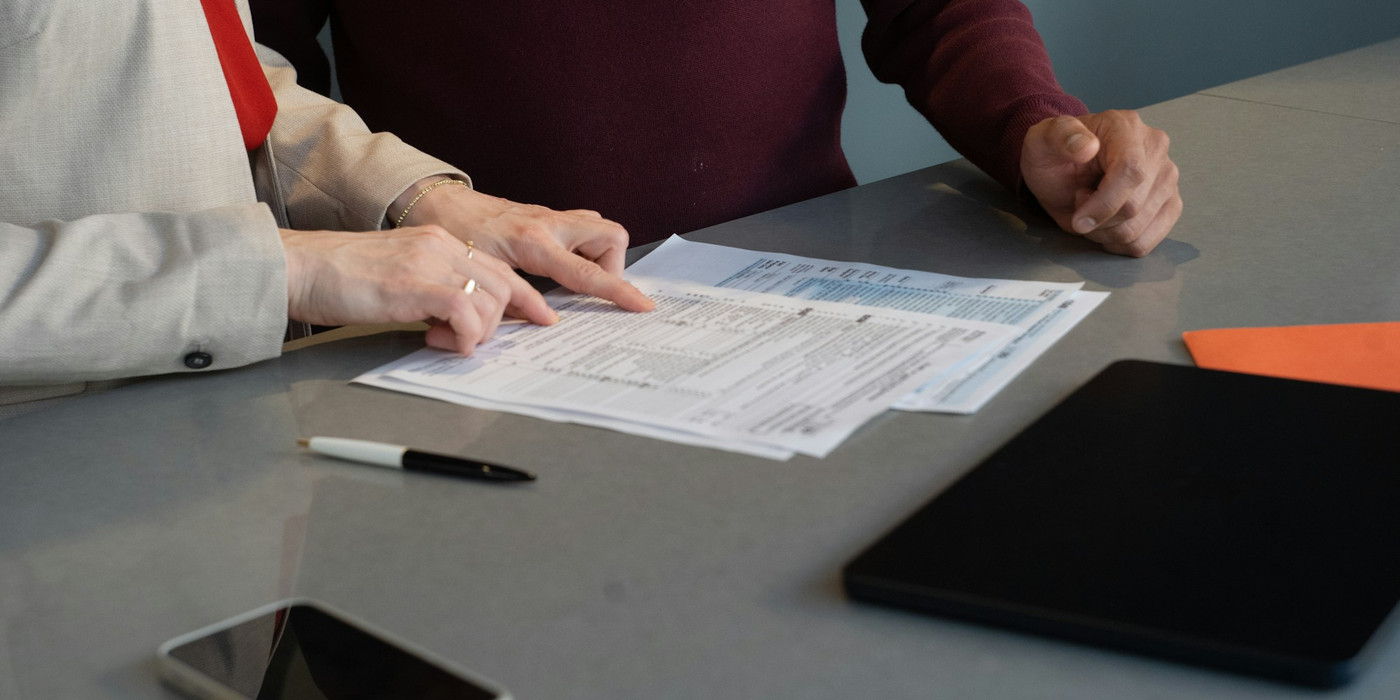
When I finish a job the day before handover, the conversation at the door is almost always about the bond. How long it takes, what they can take out of it, whether the oven will pass.
Nobody asks about the rent. Which is odd, because a lot of renters walk away from a tenancy with rent sitting in the agent’s account for days they no longer live there, and that money comes back a completely different way.
Rent is counted by the day, not by the month
Consumer Affairs Victoria has a short section called Overpaid rent, and it says one thing:
“Generally, rent under a residential rental agreement accrues from day to day and is recoverable or refundable on that basis.”
Your agreement might bill you monthly, but the law underneath it counts days. If you pay on the 1st for the calendar month and your agreement ends on the 22nd, you have paid for nine days you do not hold.
Same on a fortnightly cycle. Pay on a Friday, hand the keys back on the following Wednesday, and five days of that payment belong to you.
This is not a bond claim and it does not go through the RTBA. The RTBA holds your bond. The rent sits with the agent or the owner, and getting it back is a request to them, in writing, with a number attached.
Work out the number before you ask
Two figures do it. Your daily rate, and your last day.
The daily rate is the weekly rent divided by seven, or the monthly rent multiplied by twelve and divided by 365. Agents usually use the second one for monthly agreements.
Your last day is the day your agreement ends, which is not always the day you finish moving. If you hand the keys back early but the agreement runs another week, the agreement date is the one that counts.
Then it is rent paid to date, minus rent owed to the end date. Put the arithmetic in the email. An agent who has to work it out themselves takes longer.
The receipt is what proves the period
Most renters have bank transfers and nothing else. A transfer shows an amount and a date. It does not show what period the payment covered, and that is the part in dispute if anyone argues.
Rent receipts do show it, and Consumer Affairs Victoria makes them compulsory. Receipts have to be provided immediately if rent is paid in person, or within five business days of a request. A receipt has to contain:
- the rental provider’s name and signature
- the property address
- the payment date
- what period the payment was for
- how much was paid
- a clear statement that it is a rent receipt
Rental providers must also keep rent records for at least 12 months, and CAV says they can be fined for not following the receipt rules.
So the move is to request receipts while you are still a renter, not after you have gone. Ask for the full run of them. The 12 month record-keeping duty means a request near the end of a one year tenancy usually reaches back to the start.
Do not stop paying early to even it out
This one comes up every time a bond refund looks slow. The renter has three weeks left, a month’s rent already paid, and decides to skip the last payment.
Consumer Affairs Victoria closes that door plainly. Renters must not stop paying rent until they agree with their rental provider on a date to stop, and they must keep paying even if:
- the rental provider or owner refuses to do repairs
- it is the last month of the rental agreement
- they have given notice to end the rental agreement and leave the property
- they have received a notice to vacate
The cost of getting it wrong is on the bond side. CAV’s bond page says that if the renter owes rent after the rental agreement has ended, the rental provider may claim the owed amount from the bond. Unpaid rent is one of the five things they list as claimable, alongside damage, a property not left reasonably clean, missing items such as locks, and unapproved alterations.
Skipping a payment does not cancel the debt. It moves it into the bond claim, where you now have to argue about rent and cleaning at the same time.
What they cannot charge you
Worth knowing before a statement arrives with extras on it. CAV says rental providers cannot charge fees or fines for:
- issuing a rent payment card
- establishing or using direct debit facilities
- processing rent payments
- late payment of rent
Adding a clause to the agreement that says those fees must be paid is illegal. And if the agent runs rent through a third-party platform, that business must not charge you a fee either, your own bank fees aside.
On timing, CAV’s advice is that renters paying by electronic funds transfer should allow at least 24 hours for the money to reach the rental provider’s account, so a transfer the day before the due date keeps it from being treated as late. On the arrears side, a renter is in arrears once rent is not paid by the due date, and a notice to vacate for rent only becomes available once renters are more than 14 days late.
The order that works
- Find your agreement end date, not your moving date.
- Request rent receipts in writing while you are still the renter.
- Work out the daily rate and the rent paid past the end date.
- Email the agent with the figure and the end date, before you start the bond claim.
- Start the bond claim separately through the RTBA.
Keeping them apart matters. If you fold the overpaid rent into the bond conversation, it becomes one more line for an agent to argue over. As its own request with its own arithmetic, it is usually settled in a couple of emails.
If the bond side is the part you are worried about, the RTBA claim process has its own 14 day clock. Your agreement end date comes from the notice of intention to vacate, and the other end-of-tenancy money nobody chases is the final water and utility bills.
The short version
Consumer Affairs Victoria says rent accrues from day to day and is refundable on that basis, so rent paid past your agreement end date is yours to ask for, separately from the bond. Request rent receipts while you are still the renter, because a receipt has to state what period the payment covered and a bank transfer does not. Never skip the last payment to balance it out, because rent owed after the agreement ends is one of the things they are allowed to claim from your bond.
Frequently asked questions
Do I get back rent I paid for days after I moved out?
Consumer Affairs Victoria's position on overpaid rent is that "Generally, rent under a residential rental agreement accrues from day to day and is recoverable or refundable on that basis." So if your rent is paid to the 30th and your agreement ends on the 22nd, those eight days are money you paid for a period you no longer hold the property. It is separate from the bond and it does not come back through the RTBA.
How much rent in advance can a rental provider ask for in Victoria?
Consumer Affairs Victoria says a rental provider cannot ask for or accept more than one month's rent in advance, unless rent is paid weekly, in which case the limit is 14 days' rent, or the rent is above $900 a week, in which case there are no limits up to the full value of the rental agreement. Rooming house operators and caravan park owners are capped at 14 days, caravan hire at 28 days, and Part 4A site owners at one month.
Can I stop paying rent for the last few weeks and let them keep the bond instead?
No, and Consumer Affairs Victoria is direct about it. Renters must not stop paying rent until they agree with their rental provider on a date to stop, and must keep paying even in the last month of the agreement, after giving notice, after receiving a notice to vacate, and even if repairs have not been done. If you end up owing rent after the agreement ends, CAV says the rental provider may claim the owed amount from the bond, so you have swapped a rent problem for a bond problem.
Can they charge me a late fee if my rent lands a day late?
No. Consumer Affairs Victoria states that rental providers cannot charge fees or fines for issuing a rent payment card, establishing or using direct debit facilities, processing rent payments, or late payment of rent, and that adding a clause to the agreement saying otherwise is illegal. Third-party platforms used to collect rent also must not charge you a fee, standard bank fees aside.
What proof do I have of the period my rent covers?
The rent receipt. Consumer Affairs Victoria requires rental providers or their agents to give receipts immediately if rent is paid in person, or within five business days of a request, and the receipt must contain the rental provider's name and signature, the property address, the payment date, what period the payment was for, how much was paid, and a clear statement that it is a rent receipt. They must also keep rent records for at least 12 months, so a request before you move out will usually still reach records from the start of your tenancy.
This guide is general information based on official sources current at the date shown above. Tenancy law differs by state and by agreement. For decisions about your own bond, check the official body linked above or get advice for your situation.
Keep reading
In Victoria a rental provider or agent can only list you on a tenant database after the lease has ended, and only if a breach left you owing more than the bond or led to a VCAT possession order. They have to warn you in writing and give you 14 days to object first. A listing is gone after three years at most, and sooner if you pay what you owe within three months.
In Victoria your bond has to sit with the RTBA, not in your landlord's account. If you paid the agent, they must lodge it within 14 days, the RTBA sends every renter a receipt with a bond number, and you can look the bond up online. Check it before you move out, because you need that bond number to claim it back.
A rental provider in Victoria can only end your tenancy for a reason on Consumer Affairs Victoria's list, and most of the end-of-lease reasons need 90 days' notice and paperwork attached. If the evidence is missing the notice is invalid, you have 30 days to challenge it at VCAT, and you can leave sooner on 14 days' notice of your own.