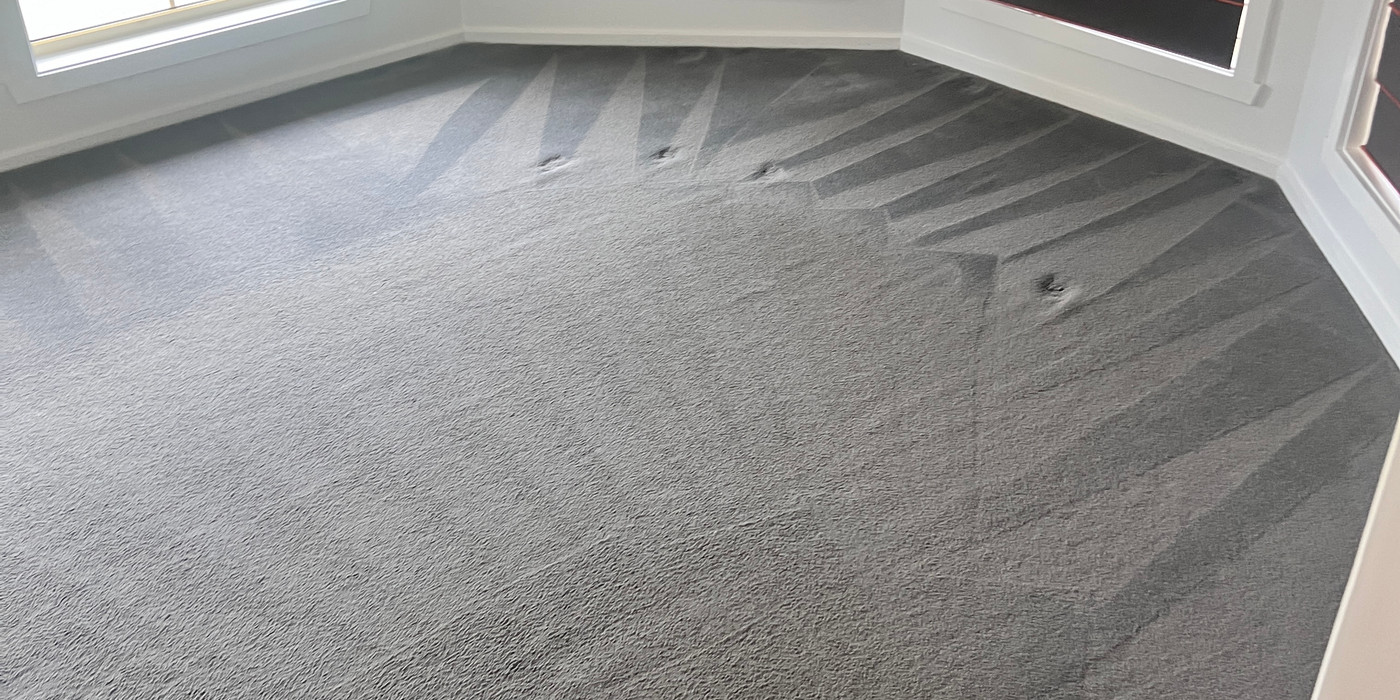
The end-of-lease argument I hear about most is over something that simply got old. A carpet that’s flattened along the hallway, a bench top that’s gone dull, a blind that’s faded where the sun hits it. The agent calls it damage, the renter calls it wear and tear, and the bond sits in the middle.
Victoria actually has a written answer for most of these. It’s in the Residential Tenancies Act and in a guideline from Consumer Affairs Victoria that VCAT has to take into account. Here’s how it works.
What the law says
Three sections of the Residential Tenancies Act 1997 do most of the work:
| Section | What it says |
|---|---|
| s 3 | Fair wear and tear is deterioration caused by reasonable use and natural forces |
| s 61 | Renters and their visitors must not intentionally or negligently damage the property, and “damage” does not include fair wear and tear |
| s 62 | A renter who becomes aware of damage must tell the rental provider in writing as soon as practicable |
The Act doesn’t define damage itself. It only separates it from fair wear and tear. That’s why Consumer Affairs Victoria (CAV) issued Guideline 3, and why VCAT must have regard to it when it decides a dispute about damage or fair wear and tear.
The guideline quotes an older case, Haskell v Marlow, for the classic definition: reasonable wear and tear means the reasonable use of the house by the tenant and the ordinary operation of natural forces. It also quotes the Supreme Court of Victoria in Fenridge v Retirement Care Australia (2014), where the judge said reasonable minds may differ and each case depends on its own facts. So the examples below are a guide, not a rulebook.
CAV’s side-by-side examples
This is the table from Guideline 3. It’s worth keeping open during your final walk-through.
| Fair wear and tear | Damage |
|---|---|
| Worn or faded kitchen bench top | Burns or cuts in the kitchen bench top |
| Cracks in the wall from building movement, or minor marks or scuff marks on the wall | Holes in walls or missing paint from hooks, nails or shelves the renter put up |
| Faded curtains or blinds | Curtains or blinds that are stained or ripped |
| Traffic marks on carpet | Carpet stains from burns, overwatered indoor plants, or pets |
| Scuff marks on a wooden floor | Badly scratched or gouged wooden floors, for example from dropping something heavy |
The pattern is easy to see once it’s laid out. Wear is gradual and comes from living there. Damage is a specific event: a burn, a cut, a hole, a spill that soaked in.
Wall marks are the most common grey area, so I wrote a separate guide to wall marks, picture hooks and Blu Tack.
What VCAT has knocked back before
Guideline 3 lists past VCAT cases where a rental provider’s claim was refused or cut down because of fair wear and tear. These decisions don’t bind later cases. They do show how the tribunal thinks:
- Minor marks and stains on walls, where only part of the claim could be put on the renter, and older woodwork was more likely to chip anyway
- A bent wardrobe rail, with no real evidence the renter misused it
- Loose kitchen drawers that were 12 years old
- Spa bath jet covers that were already fatigued
- Minor scratches on floorboards last polished 12 years earlier
- One small chip in a laundry tile, put down to ordinary living
- Chips in slate flooring that was already in poor condition when the tenancy started
- Damage to flat-pack bookcases that were at least 8 years old and at the lower end for quality
Age comes up again and again. That’s not an accident.
Age matters, and there’s a set depreciation scale
Even when something is genuinely damaged, you don’t automatically owe the price of a new one. Guideline 3 is blunt about it: normal living causes a decline in the standard of a property, and the rental provider is not entitled to compensation merely because things wear out.
The Residential Tenancies Regulations 2021 (regulation 90) make the ATO’s Rental Properties 2020 guide the depreciation scale VCAT must consider when it works out what a renter pays for a damaged item. CAV gives one example in the guideline. Carpet has an 8-year life span in that guide, so a renter who has been in a property for 8 years could not be expected to pay to replace the carpet at the end of the tenancy.
So if an agent quotes the full cost of new carpet, a new blind or a new bench top, the next questions are how old the original was and what its life span is under that guide.
Pets
Pet-related wear gets its own table in Guideline 3.
| Fair wear and tear | Damage |
|---|---|
| Worn or faded carpet from pet traffic | Carpet stains from pet urine |
| Minor marks or scuff marks on the wall | Claw or bite marks on walls or skirting boards |
| Scuff marks on a wooden floor | Badly scratched or gouged wooden floors from claws or bite marks |
If you had permission for a pet, the rest of the rules for pets at the end of a lease are in the pets and bond guide.
Cleaning is a separate question
Fair wear and tear protects you from paying for things getting old. It doesn’t cover dirt. CAV’s condition report page lists four reasons a rental provider may use the condition report to claim bond: new damage that isn’t normal wear and tear, new repairs, further cleaning, and missing items. The same page says you must leave the property reasonably clean and in the same condition as when you moved in, taking into account fair wear and tear.
A faded carpet is wear. A carpet with food spills or mud through it is a cleaning issue. The two get mixed up at the final inspection all the time.
How to protect yourself
- Check your entry condition report. Anything already worn, chipped or faded when you moved in is not yours. CAV’s bond claim reasons all start from what’s new since that report. My guide to the condition report covers what to look for.
- Report damage in writing when it happens. Section 62 requires it anyway, and an email sent at the time is better evidence than your memory a year later.
- Photograph the property when you leave. Do it after the final clean, in daylight, with the same rooms and angles as the entry report if you can.
- Ask for the age of the item. If a claim lists a replacement cost, ask when the item was installed and check its life span in the ATO guide.
- Don’t agree to a claim you think is wear. If the bond claim includes things you think are fair wear and tear, you don’t have to sign it. My guide to getting your bond back explains what happens when a bond claim is disputed.
The short version Under the Residential Tenancies Act, damage does not include fair wear and tear, which is deterioration from reasonable use and natural forces, and your bond can’t be used to pay for it. CAV’s Guideline 3 lists examples on both sides, such as traffic marks on carpet (wear) versus burns or pet urine stains (damage), and VCAT has to consider it. Even real damage is valued against the item’s age under the ATO depreciation guide, so an 8-year-old carpet is not a renter’s bill to replace.
Frequently asked questions
What counts as fair wear and tear in Victoria?
Section 3 of the Residential Tenancies Act 1997 defines it as deterioration caused by reasonable use and natural forces. Consumer Affairs Victoria's Guideline 3 gives examples such as a worn or faded kitchen bench top, minor scuff marks on walls, faded curtains or blinds, traffic marks on carpet, and scuff marks on a wooden floor.
Can my landlord take bond money for fair wear and tear?
No. Section 61(2) of the Act says damage does not include fair wear and tear, and Victoria Legal Aid says a rental provider cannot ask for your bond because of it, giving carpets wearing out over a long time as the example. They can claim for damage beyond that, and for cleaning if the property was not left reasonably clean.
If I did cause damage, do I have to pay for a brand new replacement?
Not automatically. The Residential Tenancies Regulations 2021 make the ATO's Rental Properties 2020 guide the depreciation scale VCAT must consider when working out compensation. Guideline 3 says the rental provider is not entitled to compensation merely because things wear out, and uses the example of a renter who stayed 8 years not having to pay to replace carpet with an 8-year life span.
Are pet scratches fair wear and tear?
It depends on how bad they are. Guideline 3 lists worn or faded carpet from pet traffic and scuff marks on a wooden floor as fair wear and tear, but pet urine stains on carpet, claw or bite marks on walls or skirting boards, and badly scratched or gouged floors as damage.
Do I have to tell the landlord about damage during the tenancy?
Yes. Section 62 of the Act says a renter who becomes aware of damage must tell the rental provider in writing as soon as practicable, including what the damage is. Doing it early also gives you a dated record if the item comes up at the end of the lease.
- Consumer Affairs Victoria, Guideline 3: Damage and fair wear and tear (Director's Guidelines under the Residential Tenancies Act 1997)
- Tenants Victoria, Consumer Affairs Victoria guidelines (damage and fair wear and tear examples)
- Consumer Affairs Victoria, Condition reports (claiming the bond using the condition report)
- Victoria Legal Aid, Renting
- Victorian Legislation, Residential Tenancies Act 1997
This guide is general information based on official sources current at the date shown above. Tenancy law differs by state and by agreement. For decisions about your own bond, check the official body linked above or get advice for your situation.
Keep reading
The bond problems I get called into almost always come down to the order things happened in, not to how hard anyone scrubbed. Cleaners booked for the day the truck is still loading, a final reading nobody asked for, a mail redirection started after handover. Here's the fortnight laid out in order, with the dates and costs that are actually fixed.
Four of the items on Victoria's own cleanliness list are outdoors, and VCAT has named overgrown garden beds and belongings left behind as evidence a property was not left reasonably clean. But regular mowing and weeding is where the renter's job stops: major pruning, tree removal and the gutters sit on the other side of the line. Here is exactly where that line runs, what happens to anything you leave behind, and why the bin collection day matters more than the tip run.
Agents still ask renters for an extra 'pet bond' in Victoria, and it isn't legal. Here's what actually applies: the Pet Request form and the 14-day clock, what VCAT has and hasn't accepted as a reason to refuse, why assistance dogs aren't pets at all, and the short list of pet things that genuinely do come out of an ordinary bond at the end.