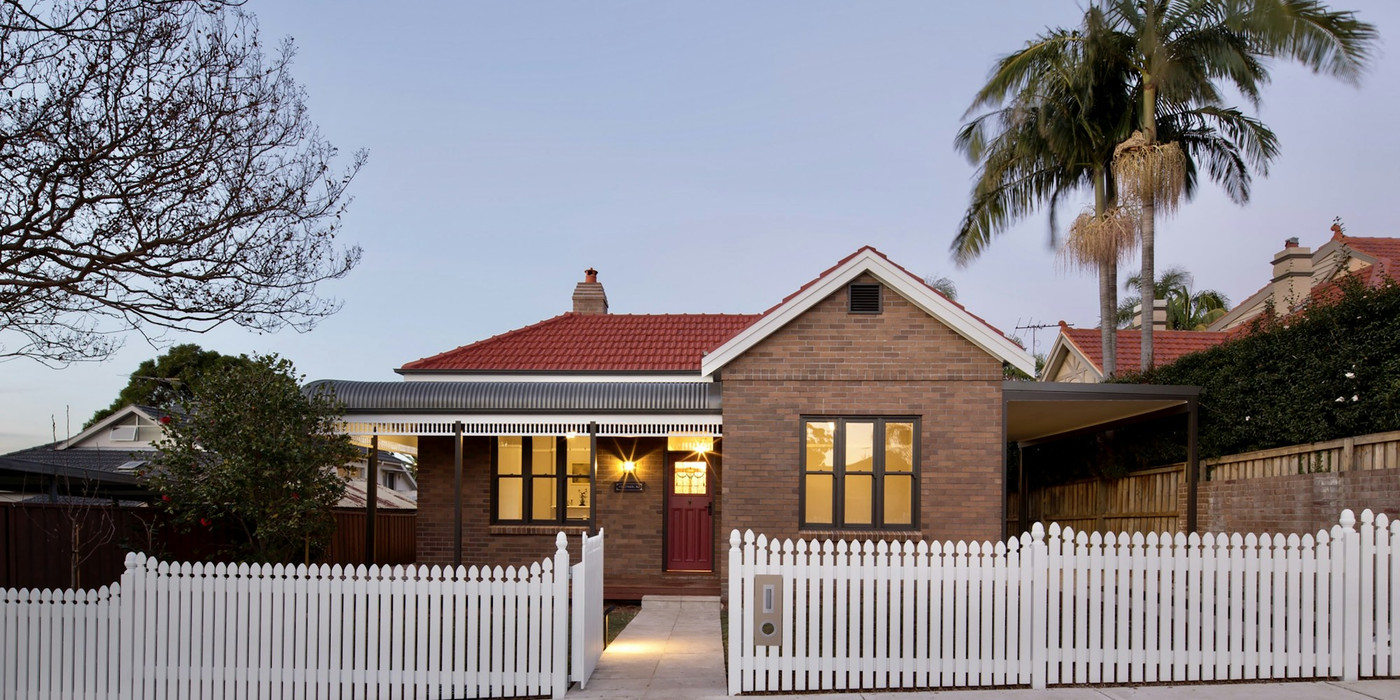
Everybody cleans the oven. Almost nobody thinks about the strip of grass along the side fence, and that is the one the agent photographs from the driveway on the way in.
The outside of a property is graded under the same rule as the inside. Sections 63, 114, 171 and 206ZM of the Residential Tenancies Act 1997 require the renter to ensure the premises are kept and left in a reasonably clean condition, except where the rental provider is responsible. Nothing in that sentence stops at the back door. And the Director’s guidelines, which VCAT must have regard to when it decides a cleanliness case, put four outdoor items on the list of what “reasonably clean” looks like.
The four outdoor lines in Guideline 2
Guideline 2 (Cleanliness) sets out examples of what would be expected in premises that are reasonably clean. Most of the list is kitchens, bathrooms and floors. Four of them are outside:
Garden beds and lawns to be weeded and neat.
Lawns to be mowed unless this is the specific responsibility of the RRP.
Rubbish removed and disposed of correctly.
Shed or garage (where provided) to be kept neat, tidy and emptied at the end of the rental agreement.
Guideline 1 (Maintenance) says the same thing from the work side. Under Outside the property, in the renter’s list of general maintenance activities:
Regular gardening duties and yard maintenance - for example, weeding, pruning or lawn mowing.
Regular disposal of garbage and other waste using council provided bins.
So the yard is not a grey area. It is written down, in two documents, in the same words.
Where your job stops
It stops earlier than most exit reports assume. Rental Dispute Resolution Victoria’s guidance splits the outdoor work between the two parties, and the split is generous to renters once you get past the mower.
| Job | Whose |
|---|---|
| Mowing the lawn regularly | Renter |
| Light weeding of garden beds and pathways | Renter |
| Trimming small shrubs | Renter |
| Putting the bins out, disposing of waste | Renter |
| Major pruning | Rental provider |
| Tree removal | Rental provider |
| Fence repairs | Rental provider |
| Drainage fixes | Rental provider |
| Clearing gutters of leaves and debris | Rental provider |
Gutters are worth stating twice, because they get written into exit reports more often than anything else outdoors. RDRV puts clearing them on the rental provider’s side; the renter’s duty is to report blockages or water stains, not to get on a ladder. That is the same principle Guideline 2 applies to cleaning at heights indoors, where it notes that such work “may often be considered maintenance which is the responsibility of the RRP.”
The minimum standards carry one supply obligation out here too: a rubbish bin and a recycling bin must be supplied for the renter’s use, provided by the council or vermin proof and compatible with local council collection. If there is no green-lid bin at the property, that is not a thing you were supposed to buy.
If it was already overgrown, that is your defence
Guideline 2’s first key factor in deciding whether premises are reasonably clean is not the state you left them in. It is the state you were given.
The cleanliness of the property when the renter moved in. This may be assessed by: Referring to the incoming condition report and any photos or videos that were taken at the start of the rental agreement.
And VCAT has held that reasonably clean “does not mean a condition which is superior to that documented in the condition report”, and that premises being in a lesser state than at the start does not automatically make the renter liable. RDRV states the garden case directly: if the backyard was overgrown when the renter moved in, they should not be expected to clean it up to get their bond back.
This is the whole argument, and it lives or dies on one thing — whether the yard is in your incoming condition report with photos. Yards are the part of the report people skip, because the form is laid out room by room and the garden feels like scenery. Photograph it anyway, on the way in and on the way out, from the same corner.
What VCAT has actually called “not reasonably clean”
Guideline 2 summarises the Tribunal’s own examples. Two of them are outdoor, and one of them is about what you leave rather than what you clean:
VCAT has previously found that cobwebs, dusty walls and dirty kitchen appliances are indicative of a state which is not ‘reasonably clean’. Similarly, overgrown garden beds and personal belongings left behind are consistent with a premises which has not been left reasonably clean.
The guideline then lists further examples the Tribunal has given, noting the decisions are not binding but illustrate how cleanliness has been interpreted:
- Visible accumulation of unregistered vehicles on the premises
- Excessively long grass that has been the subject of a local council or fire authority notice
- Presence of rats or mice in the property
- Storage of salvaged material and goods
- Hoarding such amounts of furniture, papers and/or household goods which pose a fire or occupational health and safety risk
Read the grass one carefully, because it is narrower than it looks. The example is not “long grass” — it is grass that a council or fire authority has issued a notice about. In a Melbourne summer that notice is a real possibility on a vacant property, which is a reason not to let the lawn go in the fortnight between moving your furniture out and handing back the keys. Properties get abandoned in that gap all the time.
Anything you leave behind has two separate consequences
People think of leftover items as a storage question. It is a bond question first.
The bond side. Guideline 2 expects the premises to be “clear of personal belongings (at end of the rental agreement)” and the shed or garage “emptied”, and it puts belongings left behind in the same sentence as overgrown garden beds as evidence of premises not left reasonably clean. The half-tin of paint on the shed shelf, the broken clothes airer beside the bin, the pot plants at the back step — those are cleanliness findings, and they cost you the removal.
The goods side. Part 9 of the Act then governs what the rental provider must do with what you left:
| What it is | What they must do |
|---|---|
| Perishable food, dangerous goods, goods not worth any money (other than personal documents) | Can be disposed of immediately |
| Goods that are able to be sold | Stored safely for at least 14 days |
| Personal documents | Stored safely for at least 90 days |
| Human remains in labelled containers or urns; specialised medical devices, prostheses, prescription medication; medals and trophies | Stored safely for at least 14 days |
The 14 days runs from when the provider first notifies you using the required Notice of Goods Left Behind form, not from the day you moved out. Getting your things back means repaying the reasonable removal and storage costs. There is also an occupation fee the provider may charge if the goods actually stopped them re-letting, capped at the lesser of the rent for the storage days or 14 days’ rent in total.
That last row is the one worth knowing about even if you would never leave a shed full of junk. Medication, medals, documents — the things most likely to be genuinely forgotten in a move — are the things the Act protects for longest.
The bin problem nobody plans for
This is the failure I see most, and it is pure logistics.
Your last week generates more waste than any other week of the tenancy — packing materials, the contents of the pantry, the stuff that did not survive triage. It all goes in the bin. Then handover day arrives and the bin is full, collection is Thursday, and you handed the keys back on Tuesday.
A full bin sitting on the property on handover day is rubbish on the property. Guideline 2 asks for rubbish “removed and disposed of correctly”, and a bin you cannot empty is not disposal.
So work backwards from your collection day, not from your handover day:
- Find out which day the bins are collected and which weeks are recycling or green waste. Most Victorian councils publish this by address.
- Put the last full bin out on the last collection before handover, and keep the final days’ waste small enough to take with you.
- Book a hard rubbish collection early if you have furniture to lose — councils typically offer a set number of free collections a year, but they are booked in advance and the wait can be weeks. This is the step that has to happen while you still have time, not on the last weekend.
- Anything left over goes in the car to the transfer station. It does not go beside the bin, and it does not go in the shed.
- Rinse the bins out if they need it, and put them back where the condition report says they live.
A sane order for the outside
Doing the yard properly is about two hours in most rentals, and the order matters mostly because mowing throws clippings onto everything you have already done.
- Empty the shed and garage first. Everything out, decide what leaves with you, then sweep. Whatever remains here becomes both a cleanliness finding and a goods-left-behind problem.
- Weed the beds and edges — along the fence line, the driveway strip, around the letterbox. This is what “weeded and neat” means and it is what shows in a photo taken from the front gate.
- Trim the small shrubs. Small. Anything needing a ladder or a chainsaw is major pruning and it is not yours.
- Mow last, then rake or blow the clippings off paths, decking and the driveway.
- Cobwebs under the eaves and around the ground floor window frames — the same job as the windows and tracks, and cobwebs are named in the guideline.
- Photograph everything in daylight, from the front gate and from the back corner of the yard, the same angles as your incoming photos.
Then walk the whole property against the end of lease checklist one more time, because the outside is the part that keeps growing after you have finished it. A yard cleaned three weeks before handover is not a yard cleaned.
The short version ① Four outdoor items are on Victoria’s own cleanliness list — weeded garden beds and lawns, mowed lawns, rubbish removed, and the shed or garage emptied — and VCAT has named overgrown garden beds and belongings left behind as evidence of premises not left reasonably clean ② Your job stops at regular mowing, light weeding and small shrubs; major pruning, tree removal, fences, drainage and the gutters are the rental provider’s, and if the yard was already overgrown at move-in, the incoming condition report is your defence ③ Anything left behind costs twice — a cleanliness finding on the bond, and then Part 9 storage rules (14 days for saleable goods from the date of notice, 90 days for personal documents) with the removal and storage costs charged back to you
Frequently asked questions
Do I have to mow the lawn before I hand back the keys?
Yes, unless mowing is specifically the rental provider's job. Guideline 2 (Cleanliness) lists two outdoor items directly - "Garden beds and lawns to be weeded and neat" and "Lawns to be mowed unless this is the specific responsibility of the RRP." Guideline 1 (Maintenance) puts the same work in the renter's general list as "Regular gardening duties and yard maintenance - for example, weeding, pruning or lawn mowing."
The backyard was already overgrown when I moved in. Is it still my problem?
Not to the extent it was already overgrown. Guideline 2's first key factor in deciding whether premises are reasonably clean is the cleanliness of the property when the renter moved in, assessed from the incoming condition report and any photos or video. Rental Dispute Resolution Victoria puts it plainly on its maintenance page - if the backyard was overgrown when the renter moved in, they should not be expected to clean it up to get their bond back. VCAT has also held that reasonably clean does not mean a condition superior to the one documented in the condition report.
Who cuts back the big tree, and who clears the gutters?
Not you. RDRV's guidance splits the outdoor work - mowing, light weeding of garden beds and pathways, and trimming small shrubs are the renter's; major pruning, tree removal, fence repairs and drainage fixes are the rental provider's. Gutters are the rental provider's too, and the renter's only duty there is to report blockages or water stains when they notice them.
What happens to things I leave behind in the shed or the yard?
Part 9 of the Residential Tenancies Act 1997 governs goods left behind. A rental provider can immediately dispose of perishable food, dangerous goods, and goods not worth any money other than personal documents. Goods that are able to be sold must be stored safely for at least 14 days, starting from when the provider first notifies you using the Notice of Goods Left Behind form, and personal documents must be stored for at least 90 days. There is a separate risk to your bond, though - Guideline 2 says personal belongings left behind are consistent with premises that have not been left reasonably clean, so leaving items is a cleanliness problem before it is a storage problem.
Can they charge me for a rubbish removal or a tip run?
They can claim for it if there is rubbish there to remove. Guideline 2 expects "Rubbish removed and disposed of correctly" and the shed or garage "kept neat, tidy and emptied at the end of the rental agreement." The practical trap is timing rather than law - a full bin on handover day is still rubbish on the property, and if your collection day falls after you move out you need a plan that does not involve the bin.
- Consumer Affairs Victoria — Guideline 2, Cleanliness (Director's Guidelines)
- Consumer Affairs Victoria — Guideline 1, Maintenance (Director's Guidelines)
- Consumer Affairs Victoria — Goods left behind by renters
- Rental Dispute Resolution Victoria — Who maintains gutters, gardens and pools in a rental?
- Consumer Affairs Victoria — Rental properties, minimum standards
- Residential Tenancies Act 1997 (Vic)
This guide is general information based on official sources current at the date shown above. Tenancy law differs by state and by agreement. For decisions about your own bond, check the official body linked above or get advice for your situation.
Keep reading
Victoria's Residential Tenancies Act says damage does not include fair wear and tear, which it defines as deterioration from reasonable use and natural forces. Consumer Affairs Victoria's Guideline 3 gives side-by-side examples, and VCAT has to weigh the age of an item using the ATO depreciation guide. An 8-year-old carpet is the example CAV uses for one a renter can't be charged to replace.
The bond problems I get called into almost always come down to the order things happened in, not to how hard anyone scrubbed. Cleaners booked for the day the truck is still loading, a final reading nobody asked for, a mail redirection started after handover. Here's the fortnight laid out in order, with the dates and costs that are actually fixed.
Agents still ask renters for an extra 'pet bond' in Victoria, and it isn't legal. Here's what actually applies: the Pet Request form and the 14-day clock, what VCAT has and hasn't accepted as a reason to refuse, why assistance dogs aren't pets at all, and the short list of pet things that genuinely do come out of an ordinary bond at the end.